

Music at our studio is not an afterthought. It carries films, fills commercial spots, turns a feed video into a moment. Because we usually need the song for a specific purpose, the work never starts at the prompt. It starts with a question: what is this song for?
A commercial needs ten seconds that stand out without nagging. A social clip needs a hook within the first two seconds. A song with vocals needs lyrics that say something. And an instrumental version has to work when the voice is missing. The same idea produces very different requirements.
The models we use
There is no single music model. We work with several, depending on the task:
- Local
- ACE and MiniMax run on our own hardware. Suited for tests and variants without upload, when a client project must not leave the building.
- Online
- Suno for finished songs with vocals and production. Fast, versatile, and by now very good on voices and mixes.
- Voice
- Our own voices, recorded and digitised, for vocals and spoken word that stay recognisable.
- Distribution
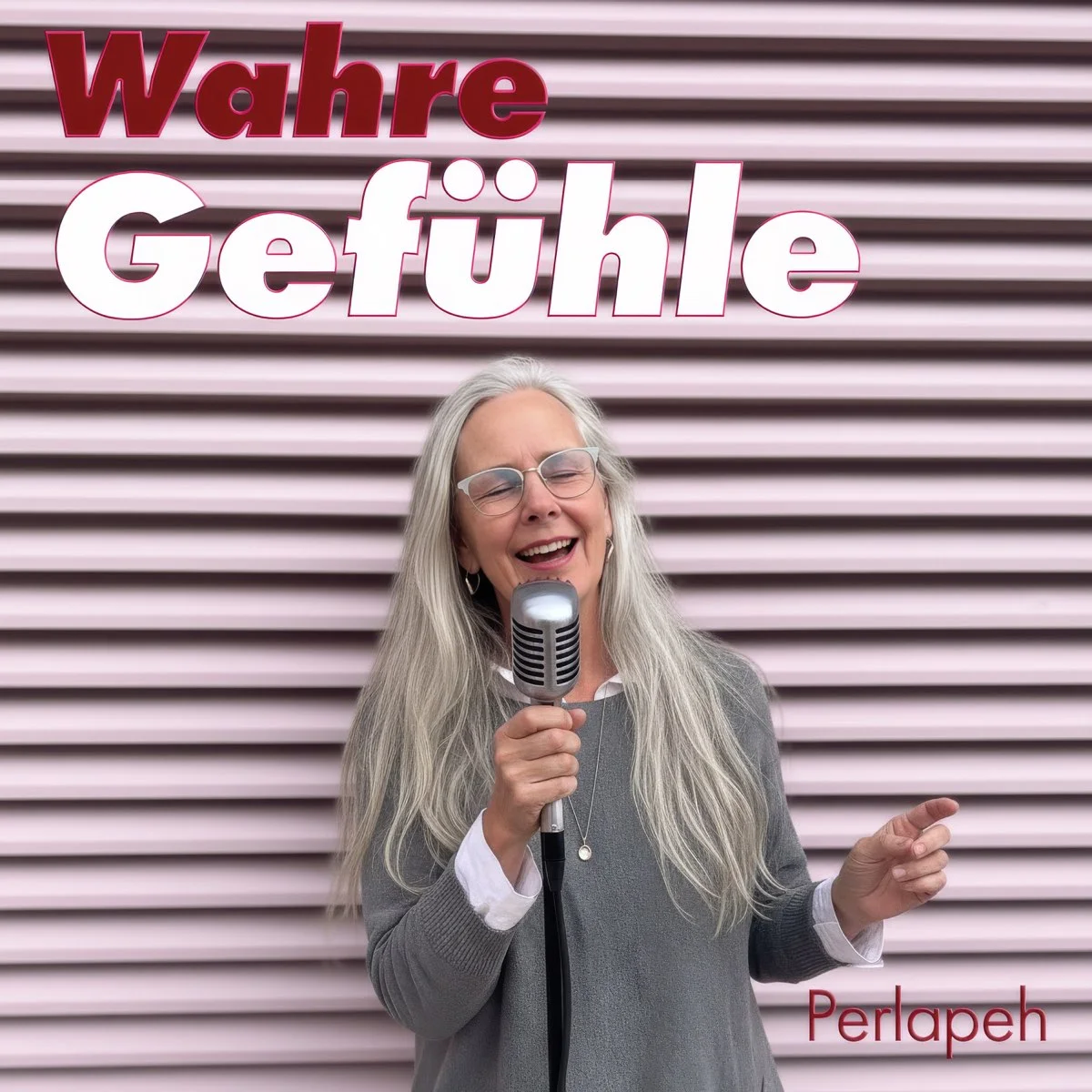
- The finished songs are released on Apple Music, Spotify and other services.
Local does not mean better, and online does not mean easier. A local model renders slower and sometimes sounds rougher, but the song never leaves the building. Suno delivers in minutes a result that sounds like it came out of a studio. For the final decision we judge by the goal, not by the model.
Why 300 versions
A prompt is not a song. What the first attempt produces is a proposal. The route there looks like this: we write the lyrics ourselves, often over several rounds, until they fit the brand, the film or the message. Then we generate. The same lines with a different instrument, a different tempo, a different voice. Drums instead of a piano does not change the sound, it changes the attitude of the song.
Up to 300 versions are made this way for a single song. Not because the models are bad, but because the question has to be answered: is this the right version for this purpose? A commercial cut has to work in ten seconds, a social cut needs the instant hook, the vocal version carries the full text. We listen to all of them, discard almost all of them, and in the end one version stands that feels as if it had always been meant that way.
Lyrics stay handwork
We write the lyrics ourselves. Not on principle, but because no model knows what a client wants to say in their own language. A slogan for Cologne sounds different from one for Munich. A line that works in Iran may fall flat here. We write, cross out, read aloud, hum along, until syllables land on the stress. Only then do the lyrics go into the model.
That order is the core of it: concept before lyrics, lyrics before generation, selection by ear. The model delivers the music, the decision stays with us. That is orchestration, with notes instead of pixels.
A song instead of a licence
For clients this means: no music library, no bought rights, no soundalike of a famous melody. Instead a song made for the purpose, within the scope of the project. You hear candidates first and help choose, before the final version is produced.
Costs before the order
You see a prototype and its costs first, before you commission anything.
Free first call What a website costs: ours is a quarter
 AI Orchestration: how a teaser is made at QLTY