


Which AI references are running in production?
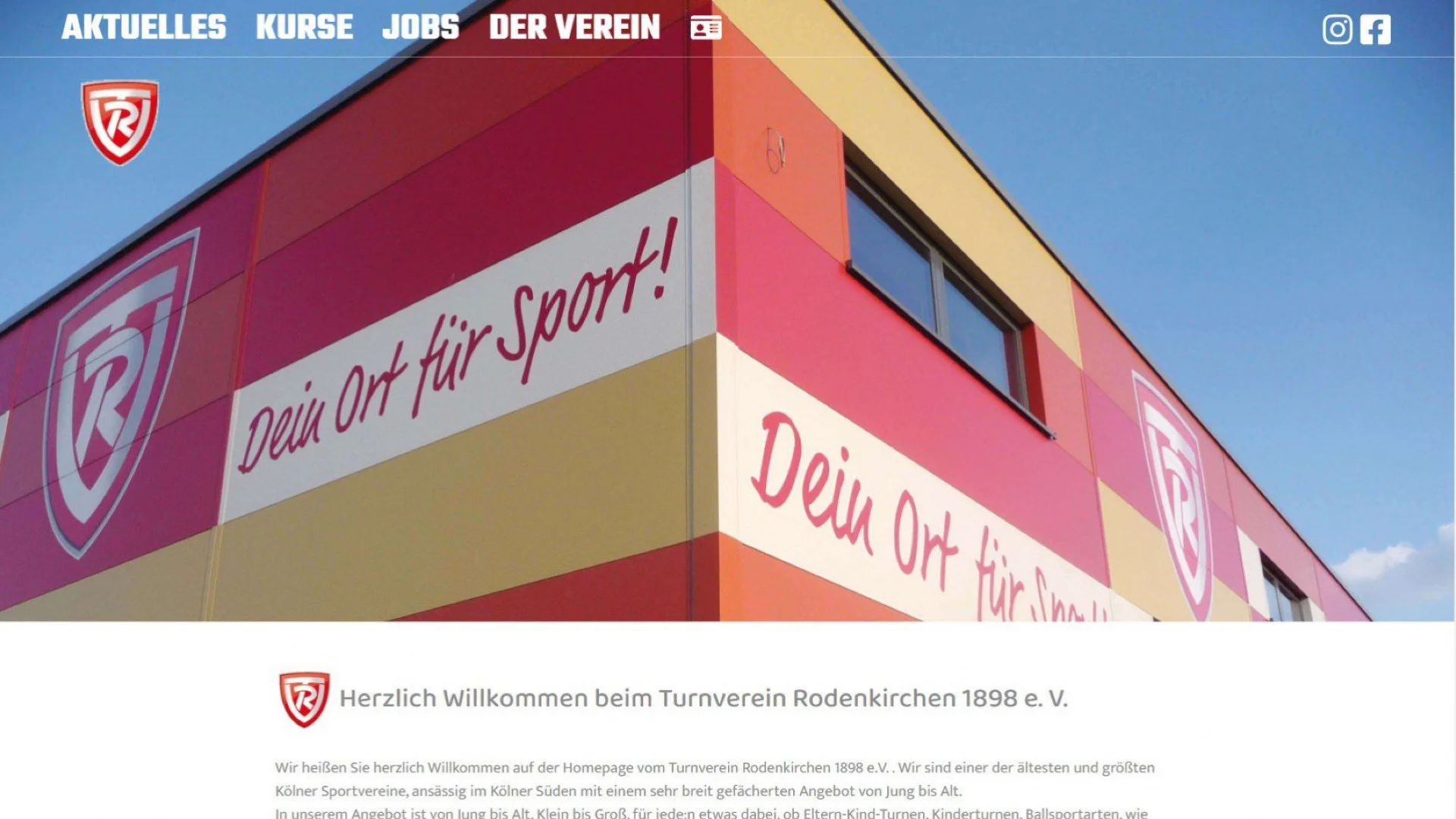
Two production systems under ongoing contract: a WhatsApp assistant for the judo department of TVR 1898 e.V. (Mistral Small 3.2, hosted locally in Cologne, contract since June 2026) and the AI content pipeline of the Dr. Weyenberg prevention practice in Bonn (articles and illustrations, every publication approved by a physician). Both are small production systems in continuous operation.
Who develops the technical side, and what AI experience does the team have?
Technical project lead sits permanently with QLTY media in Cologne; Anusch Sheibani (managing director) is responsible for AI architecture. For special cases we bring in vetted freelancers from a network of more than 200 members. We have run AI applications in production since 2024, and film and web production since 2015.
Which AI models, hosting providers and third-party services are used?
We choose per project: local models via Ollama on our own servers in Germany (for example Mistral Small 3.2), or business API tiers from OpenAI, Anthropic and Google whose contracts exclude training on submitted data. Hosting on German servers (including Strato VPS). The concrete selection is listed in your project's sub-processor register.
How is our data protected, and is it used to train external models?
In client projects QLTY media uses only paid access whose contractual terms exclude training on submitted data. Which providers, regions and retention periods apply to your project is listed in the sub-processor register of the data processing agreement. Training with your data happens only with your written consent and only for your own model. Data policy details.
What do we own and receive when the project is completed?
You receive exclusive, perpetual usage rights to project-specific code, prompts and configuration, plus any custom-trained model weights. Third-party models and open-source components remain under their licenses. Handover includes documentation, training and all credentials.
How are performance, accuracy, security and reliability tested?
Before every build we define a test set and thresholds; every version is measured against them, and so is every model change. Performance is checked against Lighthouse budgets, security through a source-code audit before installing any third-party software (house rule since September 2026).
What ongoing costs should we expect?
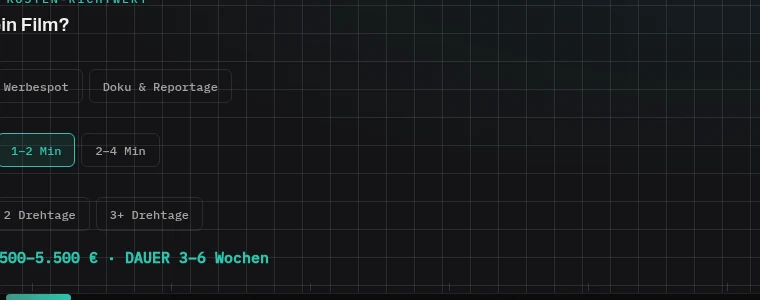
Three items: API usage billed by consumption (typically 30 to 200 euros per month, depending on volume and model), hosting from 15 euros per month, and optional maintenance from 150 euros per month. Provider prices change; every calculation carries its date and assumptions. Worked example.
What support, documentation and handover are included?
A named contact, response within one working day (faster for operational failures), complete project documentation at handover, training for your team, and an optional maintenance contract with monitoring.
Which sub-processors are involved?
Named per project and listed in the DPA: for example Meta (WhatsApp Business API) for messenger systems, OpenAI, Anthropic or Google for API projects, Strato for hosting. Current table.
What happens if a provider discontinues a model?
We build on replaceable interfaces. When a model is deprecated, whoever commissions the migration handles it: QLTY media under a maintenance contract, otherwise a provider of your choice. We name this risk, including a replacement model, before the project starts.
Can we move to another service provider?
Yes. You hold all credentials, the code and the documentation; no dependency on our infrastructure remains. The handover documentation is written so a third party can take over the system.
How does an engagement start?
With a clearly scoped, paid prototype: success criteria agreed as measurable values, fixed price, and the rollout decision based on the measurement. Process and prices.
As of November 2026